


The Columbia Wind
Project

Columbia County is facing one of the largest energy infrastructure proposals in state history, and the pace of development has outrun the flow of information to the communities it would affect.
Here is what has been proposed, what is missing from the record, and why it matters to landowners, residents, businesses, and local governments across the region.
Project overview
The Columbia Wind project is a proposed 277MW wind energy project, from Columbia Project, LLC, an indirect subsidiary of Alliant Energy Finance LLC, under review by the Public Service Commission of Wisconsin in Docket 9836-CE-100. As proposed, it would span the towns of Columbus, Hampden, Leeds, Fountain Prairie, Lowville, Otsego, Courtland, Springvale, and the Village of Doylestown.
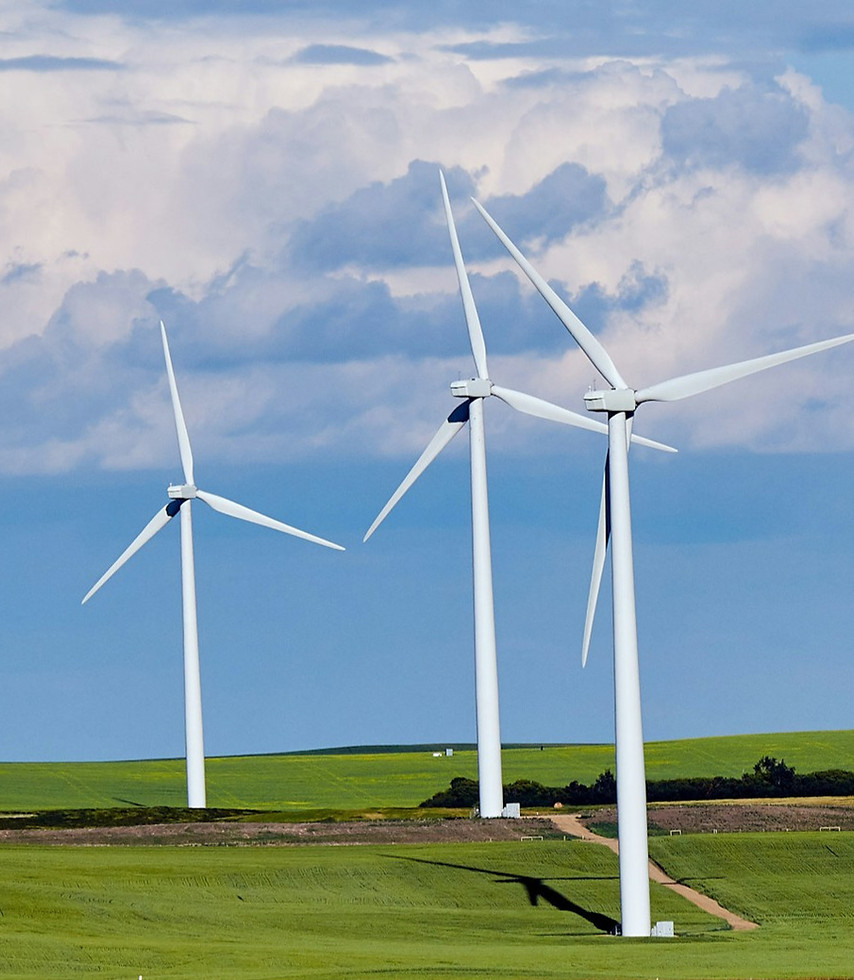
The turbines would stand approximately 660 feet tall – taller than the Seattle Space Needle, taller than St. Louis's Gateway Arch, and more than 260 feet taller than the turbines at the Forward Wind Energy Center in Dodge and Fond du Lac counties. The only turbine in the country that would still stand taller is a single 653-foot research prototype in Texas, built as a one-off research prototype rather than part of a working wind farm — which means Columbia Wind's turbines would be the tallest ever built for commercial power generation in the United States.
The project also includes underground collector lines, access roads, and meteorological towers. An operations and maintenance building, and a 345 kV collector substation. A battery energy storage system, high-voltage transmission, and a data center are also anticipated. If approved, construction of the Columbia Wind project is expected to begin in 2027, with completion by the end of 2028.
What the application doesn't say
The application leaves out several project features that appear to be part of the plan: interconnection, transmission, and distribution upgrades, a battery energy storage system facility, and operations and maintenance facilities, in addition to substation infrastructure. That matters because the project footprint covers more than 48,000 acres across multiple towns and villages. Local authorities need that information in order to properly understand potential impacts and needs.
Several of the affected jurisdictions already share fire and rescue services across town lines, and the region's more sensitive habitats have seen limited study so far. To date, Alliant Energy has not reached out to town, village, or county officials to discuss local ordinances or the regulatory framework that would apply.

Farmland, drainage, and long-term land use
The project area covers 48,377 acres of mostly agricultural land. Turbines, access roads, and underground collection lines can fragment fields, disrupt drainage tile, and make farming harder for decades.
This isn't a short-term construction inconvenience. It's a long-term change to how productive farmland can be used, managed, and maintained.
Wildlife, wetlands, and
the case for a full environmental review
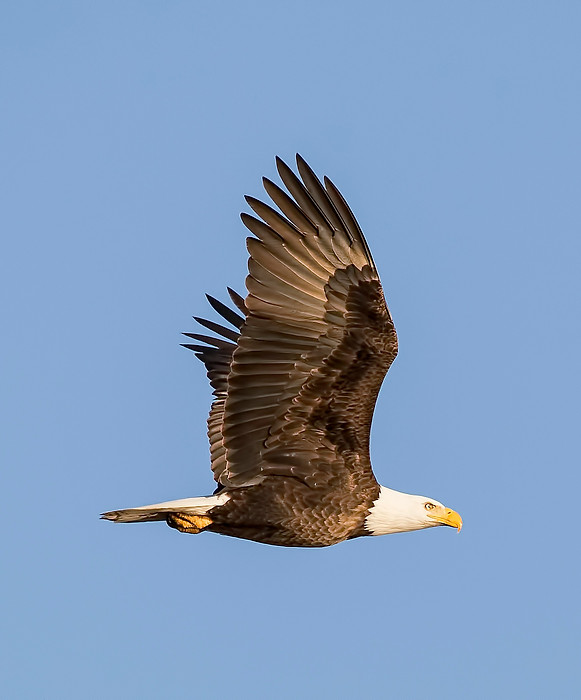
The project sits in an ecologically sensitive part of the state, with wetlands, protected land, managed wildlife habitat, and portions of the Northern Empire Prairie Wetlands Important Bird Area. The area sees substantial bird activity, including waterfowl, Sandhill Cranes, state-listed Great Egrets, and Bald Eagles, many flying at the heights where turbine collisions occur.
The PSC requires an Environmental Assessment to evaluate a project's environmental, community, and property impacts. Given the scale of this project and the sensitivity of the surrounding landscape, we believe that standard isn't enough here. Wisconsinites for Local Control (WLC) called for a full Environmental Impact Statement; we are thankful our voices were heard. We are looking for answers on the full scope of what will be required, and hoping for one that evaluates migratory bird movement, wetland habitat, long-term eagle risk, cumulative impacts, and whether the proposed avoidance and mitigation measures are strong enough.

Town roads and the cost to local government
Heavy construction traffic for turbine installation would put stress on rural town roads that were never built for this kind of use. Repairing that damage could be expensive for small towns and villages, and without strong, enforceable bonding requirements, those costs could land directly on local taxpayers.
The project is already generating costs before a single turbine goes up. Affected communities are spending time and money on legal counsel, engineering review, administrative oversight, and public process just to understand what's being proposed and protect residents' interests. For small rural towns, that's a significant burden, and it's one a private developer created without offering to fund it.
Who benefits,
who bears the risk
The Columbia Wind Project is being developed as a wholesale merchant plant, not by Alliant, a regulated utility built to serve local residents directly.
Most of the financial benefit would go to the developer and to only a few participating landowners, while the broader community absorbs the impact: road wear, land-use disruption, reduction in property values and impacts to viewscape, strain on local resources, and changes to quality of life.
Residents may also end up covering broader system costs tied to transmission, reliability, and grid integration, without seeing a comparable local benefit in return.

Emergency management and public safety
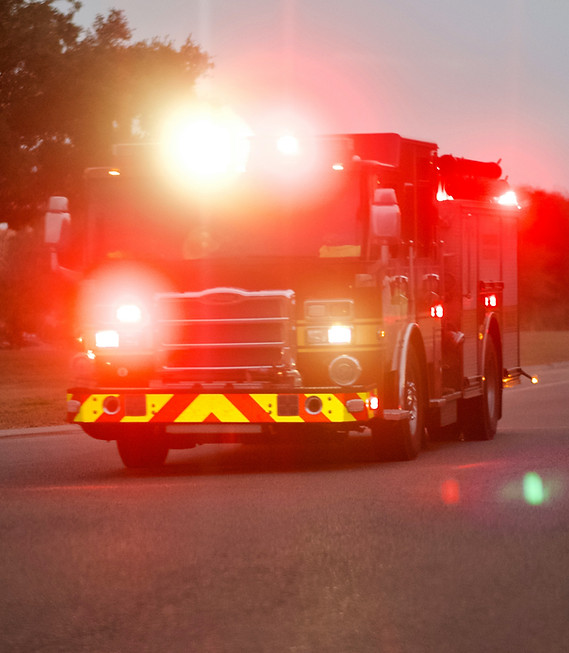
A project of this size should include thoughtful planning for emergency management, fire, and rescue needs as part of its environmental and social review. It will increase the demand on local emergency resources and training, and raise flight-path and communication issues that don't currently have answers.
The application says almost nothing about emergency management. The one reference to it is a template sent to local communities. Local jurisdictions are responsible for the safety of their residents and businesses, and they need an application, backed by independent studies, that actually looks at the risks.
Impacts on non-participating residents
Many of the people most affected by this project aren't participating landowners. They're neighbors who would live with the noise, shadow flicker, and visual impact of turbines near their homes and property lines, without ever signing a lease or receiving payment.
That's a basic fairness question: a loss of the use and enjoyment of their own property, with nothing in return.
Where WLC comes in
This project is under review by both the Wisconsin Public Service Commission, and at the state level US Fish and Wildlife, and the Department of Natural Resources, which will weigh the application, environmental impact, and public comment before deciding whether it moves forward. Other federal and local reviews are also pending.
WLC is the only accepted PSC intervenor in this docket representing local governments and landowners. We're using that position to keep the process honest: reviewing filings, tracking deadlines, and making sure these concerns are heard by the commission deciding this case.